Menopause, Unfiltered
Experts and women break the silence on symptoms, hormone therapy and taking back control
THEY ARE HOT, BOTHERED AND NOT ABOUT TO SUFFER IN SILENCE
They are confronting hot flashes, mood swings, fatigue, joint pain, loss of libido and other exasperating symptoms that can turn menopause into a blur. But unlike their mothers and grandmothers—who may have only spoken of this life transition in a whispered reference to “the change”—women today are talking about it, taking charge of their health and finding ways to feel better.
Even so, the information out there can be confusing. Women still find themselves blindsided by symptoms they didn’t expect—arriving sooner than they anticipated or lasting longer than they ever imagined. Or they think they are too far past menopause to benefit from the hormone therapy that has been a game-changer for women looking to age powerfully. So we turned to the doctors and experts in Fairfield County that women of a certain age are raving about and asked them to share their insight on menopause, the evolving approach to treating it and how this phase of life is getting a much-needed makeover.
We are also bringing you a candid roundtable with women who get real about how much menopause can truly suck—but they also reassure us that there is no way they will settle for a mentally hazy, emotionally crazy, sleepless, sweaty, achy existence. And neither should you.
MENOPAUSE, PERIMENOPAUSE – WHAT IS IT?
Although “menopause” is often used as a blanket term for this entire chapter of life, it is actually just one page—specifically, the 12-month mark after a woman’s final menstrual period. At that point, she is unlikely to have any more periods or to ovulate. The average age of menopause for American women is 52.
Perimenopause refers to the years leading up to menopause, when symptoms such as hot flashes, sleep issues, brain fog, anxiety and mood swings can begin. For most women, this occurs in their late 40s and early 50s, but signs can begin as early as the 30s. Post-menopause begins after menopause and lasts the rest of a woman’s life—though with healthy lifestyle choices and the help of modern medicine, the unpleasant symptoms don’t have to.
“Perimenopause, as I like to joke, is the best seven to ten years of your life,” says integrative medicine physician Dr. Katie Takayasu (“Dr. Katie”), founder of Wellness Insights in Darien. “What makes it so challenging is that it can be so variable. For some women, it is extreme and difficult to handle; others have very little symptomology. It’s also not a smooth decline. It’s this up-and-down roller coaster. You can feel normal one day and then two days later feel like a totally different person, then a month later, feel back to normal again and so on. Even if you have significant PMS or painful periods or tender breasts around ovulation, it’s predictable. That’s the tough part about perimenopause; you go from these predictable patterns to a period of unpredictability.”
Dr. Katie explains that symptoms can “literally be from head to toe.” She lists brain fog; memory and concentration difficulties; insomnia; headaches; mood changes (irritability, anxiety, depression); changes in eyesight; dental changes (dry mouth, gingivitis, cavities, loose teeth); changes in hearing and tinnitus; cardiovascular changes (high cholesterol, palpitations, irregular heartbeat); temperature irregularity (hot flashes, night sweats or “just feeling slumpy and warm”); body odor changes (either from sweat or microbiome irregularities); weight gain (especially around the middle); joint aches; loss of bone density; digestive issues (bloating, constipation, diarrhea); dry or dull skin and a lack of elasticity; bladder issues; and sexual challenges (vaginal dryness, loss of libido, changes in or difficulty achieving orgasm).
Sleep disturbances—especially waking up and not being able to fall back asleep—are among the first complaints Dr. Katie often hears. While typically this happens in a woman’s 40s, signs can appear sooner. “If you are having symptoms in your mid- to late-30s, it’s not too early to consider the possibility that perimenopause might be the reason,” says Dr. Katie.
But the good news is that, today, women have more options than ever to manage their symptoms, feel like themselves again and move through this transition with strength and confidence.
HORMONE THERAPY
Hormone replacement therapy or “HRT”—also called menopausal hormone therapy (MHT)—IS A HOT TOPIC. In November, the FDA announced the removal of most “black box” warnings from HRT products, citing outdated science and encouraging, updated data. (The warning of an increased risk for endometrial cancer if taking estrogen without progesterone remains.) Social media blew up, with many in the medical field touting the benefits of HRT and accusing the FDA of waiting way too long to make this move, and others asserting caution.
Women are still left wondering: Is it safe? When should I start? Which hormones do I need? Are synthetic or bioidentical hormones better? Like now… who can help me NOW (shrieked from a pool of sweat at 3 a.m., with the rage of the Stranger Things Mind Flayer). We have answers! Not all of them, but enough to help you dry your brow and establish a plan.
Dr. Donna Hagberg, a gynecologist with Yale New Haven Health at Greenwich Hospital, says, “I take the ‘R’ out of ‘HRT’—hormone therapy versus hormone replacement therapy. This is where my philosophy may differ from other physicians: I’m not replacing hormones; I’m optimizing them. So I’m working with patients’ own hormone production from within their body and giving a little bit more. I am trying to optimize their hormones throughout the rest of their lives to make sure that everything functions appropriately without suppressing any of their own glands. The majority of organs are affected by the loss of estradiol. The pros of hormone therapy are taking away a lot of the unpleasant symptoms women feel and potentially improving their longevity and overall health.” The cons are relevant to two groups, says Dr. Hagberg: “The patient who already has a cancer or who has an increased risk of blood clotting. But for the majority of women, there are many more pros than cons. We always have to consider the potential side effects in addition to those contraindications. As soon those are evaluated and screening is done, we can talk about options and dosing. There are so many choices now: oral, transdermal, transvaginal.”
If a woman has more complex hormonal issues, she may turn to an endocrinologist, such as Dr. Judith Goldberg-Berman at Greenwich Hospital. “I typically become involved when there are intersecting hormonal issues that require a broader endocrine evaluation,” says Dr. Goldberg-Berman. “For example, if a woman is experiencing menopausal symptoms along with thyroid dysfunction, bone loss or metabolic changes, I help tease out the different contributing factors. I work closely with their gynecologist and primary care physician to guide decisions.”
Dr. Goldberg-Berman has noticed a trend in women being more informed and proactive about their health: “Women are often coming in after doing their own research or talking with their peers. They are reading books, listening to podcasts and following experts online.” It is then her job to interpret this information in the context of the patient’s medical history, symptoms and risk factors.
“When a woman is hesitant about starting hormone therapy, we explore what’s behind that,” says Dr. Goldberg-Berman. “Hormone therapy is absolutely contraindicated for women with a history of hormone-sensitive cancers such as breast or endometrial cancer, unexplained vaginal bleeding, active liver disease or a history of spontaneous clotting. Then there are relative contraindications that don’t necessarily rule out therapy but require careful consideration and monitoring. These can include migraine with aura, controlled hypertension, high cardiovascular risk and a strong family history of breast cancer or gallbladder disease. In some cases, I involve a cardiologist to assess risk.”
A 2002 study by the World Health Organization, which linked HRT to an increased risk of stroke, blood clotting and breast cancer, fueled widespread fear. Dr. Carol Fucigna, Vice Chair of the Department of Obstetrics & Gynecology at Stamford Hospital and a menopause specialist, explains: “Although that data showed an increase in risks of breast cancer (eight in 10,000) and deep vein thrombosis, the risks were very small. Also, the average age of the participants was 63, which is well beyond the average age of menopause, and the study was done at a time when we were using different forms of both estrogen and progesterone.”
The alarm bells have quieted with more recognition of HRT’s benefits and cautious prescribing of hormone therapy to women who would have been declined a decade ago. Jane Hurzy*, a 50-year-old Weston resident, lost her sister to breast cancer and her mother also had the disease. Her doctor was hesitant about prescribing HRT. But after suffering from insomnia and brain fog for a year, she returned to her annual exam armed with recent reassuring studies and a persuasive personal argument. “My relatives with breast cancer had a history of heavy smoking and drinking. I live a very healthy lifestyle,” says Hurzy. She started hormone therapy and almost instantly felt like her old self.
Studies indicate that starting HRT sooner—within ten years of menopause—tips the balance toward more benefits than risks. Dr. Hagberg sometimes prescribes HRT past that time frame. “Many women beyond that ‘window of opportunity’ are still interested in hormone therapy for things like bone health, or now that they’re learning about research suggesting it’s actually potentially improving cognitive and cardiovascular health. The adrenal gland can often continue to make hormones in the menopausal patient, so we can add on to that. When women come in and they’re 10, 11, 12 years into menopause, we just want to make sure that there are no contraindications from a cardiovascular or cancer standpoint. Then, since receptors haven’t seen hormones for years, we start at a more conservative and careful dosing.”
Dr. Katie comments, “I’m so on board with menopausal hormone therapy—not replacing but supporting the body’s hormone balance. As soon as you notice irritability, sleep changes, menstrual changes, have a conversation with your provider, so that you’re not suffering but actually being proactive about how you want this next stage of your life to go.”
How quickly do most women feel relief? “Often just a few days to a few weeks later, women are saying, ‘Oh my gosh, I feel like myself again!’ That’s the whole point,” says Dr. Katie. “It’s not to make you superhuman; it’s just to make you feel like yourself again.”
SYNTHETIC VS. BIOIDENTICAL HORMONES
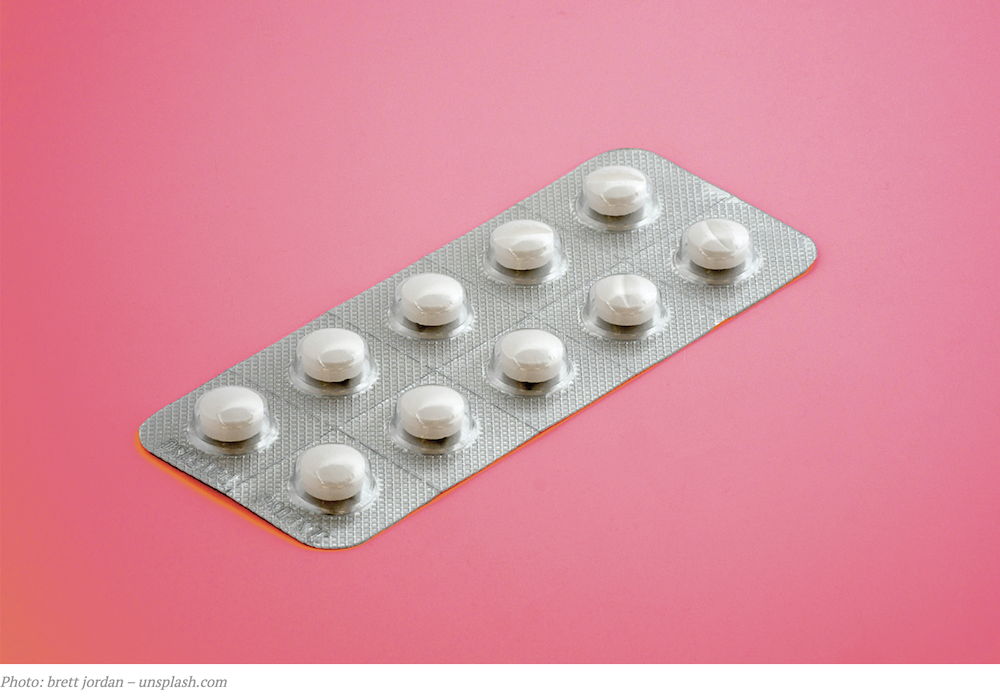
There is a lot of chatter about “bioidentical” hormone replacement therapy, or BHRT. Dr. Hagberg explains, “Bioidentical means it’s identical to the biological hormones that the body makes. They are more natural and tolerated beautifully. The non-bioidentical ones have been well researched. These are a bit more chemicalized. Premarin, as an example, is made from the urine of a pregnant mare. It is not a natural hormone for women, so it’s sometimes not well tolerated—although it is well researched and prescribed by many physicians. Some of my patients are on it for various reasons.”
Dr. Fucigna says, “The most commonly used hormones now are a transdermal estradiol and a micronized progesterone. Studies have shown a decrease in breast cancer risk with these forms of estrogen and progesterone, which are the same chemical structure as the hormones made by our bodies. The transdermal estradiol patch, which is absorbed through the skin, does not increase the risk of blood clotting as oral estradiol does.”
Doctors have differing opinions on which type of hormones are safer or “better.” Some defend synthetic hormones that have been studied thoroughly and question some bioidentical hormones (made from plants)—namely those made at “compounding pharmacies.” These may be described as “natural” but aren’t as well researched or regulated.
“There are bioidentical options that are made by pharmaceutical companies. For example, a lot of the patches are bioidentical and available at your local pharmacy,” explains Dr. Hagberg. “Compounded is a different term. These are bioidenticals, but they’re compounded and made in a specialty lab. If it’s a reputable lab, they do it well, and the hormone can be more customized for the patient. If the patient’s not tolerating what she’s picking up at her local pharmacy, we can customize it and adjust the dosing.” Because compounded BHRT falls under a regulatory exemption for patient-specific prescriptions, it is not FDA-approved.
Esther Blum, an integrative dietician and hormone coach based in Weston, comments, “You can get estrogen in a patch from your pharmacy that’s covered by insurance and comes in four different dosages. If you want something compounded, a hormone-literate provider will compound what’s called Bi-est cream for you, which is estriol and estradiol. Most doctors will put women on birth control pills, which is not approved for menopause care. Those are synthetic estrogens and progestins and carry a higher risk of clotting and stroke. Whereas even if you have a clotting disorder, it is safe to use transdermal estrogen, and you can get what’s called Prometrium, an oral micronized progesterone that is bioidentical. I get mine for $4 a bottle at the pharmacy.”
Blum administers a urine test with her clients to assess adrenal function and how their bodies are metabolizing hormones, and a stool test to see how the gut is detoxing estrogen. She then helps patients develop a personalized plan, educating them with information on menopause “that doctors aren’t learning in med school. I have a national directory of hormone literate providers in all 50 states,” says Blum.
Westport resident Kristin Purcell was 43 when perimenopause hit her like Hurricane Sandy hit her Compo neighborhood. “My youngest was three years old then and just this lovely soul. I found myself screaming,” she recalls. “My girls looked at me like, ‘Who are you?’ I’m a nice person. I had never yelled at my children. I thought, ‘What is going on?’ This rage just came out of me. That’s when I started chasing down any options I could find.”
Her OB suggested birth control pills. Purcell recalls, “I said, ‘Listen, even when my ovaries were working, I didn’t want birth control because it made me a subset of who I am as a human.’”
Purcell then discovered Dr. Sobo in Stamford. “He looked at my blood work and said, ‘We just need to supplement you a little bit.’” She applies a cream daily to her wrist—a combination of estrogen, progesterone and testosterone—that is dispensed by a compounding pharmacy. “It was a night-and-day experience for me,” she says. “We’ve tweaked it many times over ten years. It has been life changing. I’ve seen my obstetricians since before I had both babies. They’ve been amazing—I do my annuals and all that with them—but they are not plugged into the value of this other component of my female personal care that I find essential.”
TESTOSTERONE
Testosterone has become so popular among menopausal women—and so controversial among doctors—that the hormone has muscled its way to its own section. While typically associated with men, testosterone is also important for female development and sexual function. Men start off with ten times the testosterone as women and it dwindles slowly over their lifetime. Women’s testosterone levels, by contrast, drop by half from age 20 to 60. Dozens of testosterone-boosting products have been developed for men and approved by the FDA—but none have been approved for women. With female health issues significantly underfunded and underresearched, many women are not waiting around for an official okay before reclaiming their lost libido.
A recent New York Times article, “I’m on Fire” by Susan Dominus, chronicled the surge in energy, productivity and libido among middle-aged women who swear by the latest mother’s little helper (and by most accounts, their partners aren’t complaining either). But in some cases, women are being prescribed levels of testosterone comparable to those of men—or even a teenage boy. Side effects can include aggression, unwanted hair growth in certain places and hair loss on their head, acne, a deepened or raspy voice, enlargement of the clitoris and libido that is too high. One woman was injured from hurried sex in a car; another lost half her hair but wouldn’t give up her testosterone fix—she felt too good.
Darien resident, Sandy Fulton* comments: “My doctor really managed all of that. There was not the crazy hypersexual drive—he just brought me back to my normal.”
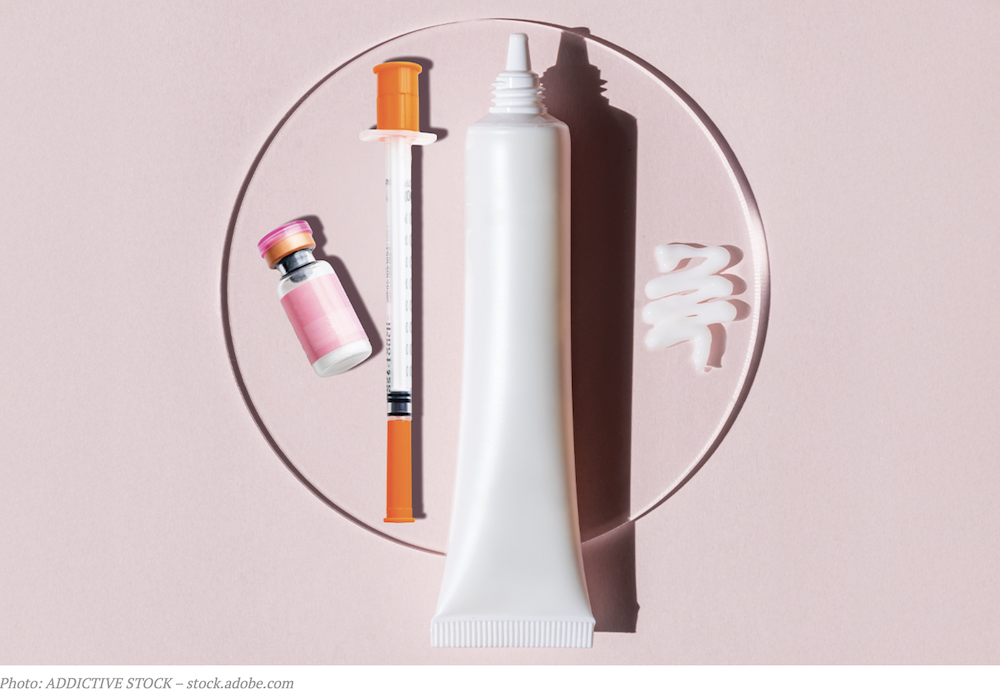
Blum, whose slogan is “Make menopause your b*tch” and who authored the trailblazing menopause book See ya later, Ovulator, is frustrated by the FDA’s feet-dragging regarding testosterone for women. “Women can get the men’s testosterone prescribed, but that basically comes in a ketchup packet or a tube, so it’s really hard to regulate the dosage for women,” explains Blum. “I tell women, to make your life easier, pay for it through a compounding pharmacy. But their doctor has to be willing to prescribe it.”
A growing trend for diehard testosterone fans involves having “pellets” inserted under the skin—but most experts do not endorse this. “If you’re not absorbing topicals, you can do injections, which leave your body in a week,” says Blum, “whereas with pellets, it’s like six months. You are stuck, and it’s a surgical procedure every time.”
Dr. Hagberg agrees: “I don’t support pellets for two reasons. One, they can lead to infections and abscess. Two, they raise the levels higher than a typical male testosterone level. It’s a steroid. We have no long-term data on these high levels. I do prescribe testosterone for many women, often for libido or for bone support or energy, but in the right dose.”
THE HOLISTIC APPROACH
For most aging women, hormones are only part of the feel-good equation. So, what else can—and should—we be doing? Dr. Hagberg emphasizes the value of eating a Mediterranean diet and says that “exercise is hugely important.” Getting enough sleep to protect cognitive function, reducing stress and taking vitamin D supplements for bone health are also on her menopause musts list.
Westporter Jill Jaysen, an acting teacher and executive coach, used positive thinking to power through her hot flashes. “I heard someone on a talk show suggest reframing hot flashes as ‘power surges,’” she recalls. “Reframing a negative as a positive is something I do all the time in my coaching. It helped.”
Blum takes a mind-body approach in her work. “My book teaches women how to master menopause with nutrition, hormones and self-advocacy,” says Blum, whose previous four books—including Eat, Drink, and Be Gorgeous—focused on nutrition. She analyzes clients’ microbiomes to identify bacterial overgrowth and imbalances. “The healthier your gut is going into menopause, the better you will function and the more resilient you will be,” she explains. “I have had women whose hot flashes completely resolved when we corrected the nutrient imbalances and rebuilt their microbiomes. Diet is ground zero for transformation.”
Blum also addresses the constipation, bloating, food intolerances and inflammation that can increase during menopause. From there, she develops customized diets that help to improve sleep, energy and lean muscle, and adds in supplements like vitamins, probiotics and herbs.
“I always joke, there’s a light at the end of the vaginal tunnel! We’ve got to bring these women back to life, and not sit and wait for medical schools to change their paradigm,” says Blum. “We are the Gen Xers and alchemists who are not going to sit here suffering. But we also need a roadmap. I love giving women their lady boss—you know, here’s your education. Take this to your doctor. When they advocate and have the knowledge, they always get what they need.”
Dr. Katie practices integrative medicine, so she addresses the body, mind and spirit. “We think a lot about stress management,” she says. “The way you fuel your body with food, the way you sleep every night, the way you move every day and the way you pay attention to your spiritual self—to stillness, to your sense of groundedness—are incredibly important. If you don’t fuel, move, sleep and have some stillness in your life, it’s almost like no amount of hormones is going to make a big difference because those keystone pieces have to be in place.”
She sometimes refers patients to a health coach to establish sustainable routines or to a psychotherapist to do cognitive behavioral therapy for insomnia. In her book, Plants First, Dr. Katie highlights the importance of fiber (most women eat less than half of what they need, she notes); whole, unprocessed foods; and nutrition that optimizes digestion and hormone balance while reducing disease-causing inflammation. She also recommends acupuncture, meditation and herbal remedies to help with menopausal symptoms.
“We really try to listen to each individual story and come up with the best plan for that person,” she says. “It’s not just one silver bullet—it’s all these tiny beautiful choices that amount to more significant change over the course of time. People are really embracing this new chapter in their lives. I always joke with patients, what will Katie 3.0 look like? It’s not just about empowerment around perimenopause, but it’s empowerment of: What do I want from my life? What is this next chapter going to look like? This time of change becomes a real catalyst for new opportunities, which is really, really exciting.”
*Some names have been changed.
MENOPAUSE ROUND TABLE
FIVE WOMEN IN THEIR MID-50S DISH THE DIRT
AGE AT FIRST SIGNS OF PERIMENOPAUSE?
HEATHER: About 50. I had an IUD in, so I hadn’t tracked my periods for years. So the only reason I knew I Was in perimenopause is because my doctor did my bloodwork.
MARIE: Around 45, I was starting to not be as regular. And I kept thinking, Holy sh*t, am I pregnant?
LISA: I had always had irregular periods, had a baby at 40, and by 42, had no more periods.
KIM: At 46, I had a sleep study done. So by 43 or 44, I was really having trouble sleeping. And then hot flashes started around 47. And low libido.
WENDY: I had an ablation because my periods were getting unbelievably heavy.
HEATHER: That’s why I got the IUD. It was unbearable
WENDY: My periods were always heavy, but these were like, I couldn’t leave the house. I remember having night sweats, but it was super inconsistent. I had a phase of them and then they would go away for years.
OTHER SYMPTOMS?
HEATHER: Insomnia, very low libido and joint pain. I had the worst hip pain. My doctors said, “Oh, it’s arthritis.” Ever since I’ve done HRT, I don’t have that pain anymore. I had two years of really bad hot flashes. That was my tipping point for HRT.
MARIE: I remember putting ice packs on my chest for hot flashes, but they weren’t bad enough to drive me to HRT. I had a couple years of sporadic ones and maybe four months when they were more frequent.
WENDY: Anxiety. I’d wake up in the morning and be having palpitations for no logical reason. I also had depression and weight gain. And at a certain point, I thought I was getting dementia.
MARIE: Vaginal dryness.
EVERYONE: Yes, vaginal dryness!
KIM: I forgot to mention weight gain. It didn’t creep up either. It was like ten pounds at a time.
MARIE: Yeah, weight gain.
HEATHER: Yeah, that’s my favorite. LISA I haven’t had that, but a gaunt face isn’t great either.
KIM: Memory loss.
LISA: I definitely can’t find my words.
MARIE: My main thing right now is joint pain. I feel like the Tin Man.
KIM: For more than a year, I had hot flashes all day long. That’s what drove me to HRT. But the only good thing that came out of it were no hot flashes. I was on estradiol and oral progesterone, and I was getting a monthly cycle of bleeding and all the PMS symptoms: bloating, tender breasts, headaches. I’d also been struggling with anxiety, mild depression, crying easily—none of which are normal for me. But it turned out there was a sleep apnea piece, so the fatigue may have been contributing to all that.
WENDY: It was hip pain that drove me to HRT. It would wake me up multiple times in the night. It hasn’t bothered me since.
LISA: I went on HRT for frequent migraines and felt like a new person the next day. That was 14 years ago, so I didn’t experience other symptoms, except definitely vaginal dryness and lower libido, even on HRT. Then eight years after menopause, I stopped being able to orgasm. I had no idea that could happen in menopause. I looked it up and, sure enough, that’s on the list. I felt betrayed, like why aren’t we warned about these things, ’cause I would have made hay while the sun shined.
WENDY: I had no idea that anxiety was part of menopause until I had a conversation with my sister. I was an emotional wreck, and she said, “That’s menopause.” And I was like, what? I had no idea because we just don’t talk about it—at least not until we are in it.
HEATHER: A huge problem is OB/GYN care. They should be alerting us to symptoms ahead of time.
KIM: I told my doctor about my hot flashes at multiple visits, and I’m the one who finally brought up HRT.
IS ANYONE ON TESTOSTERONE?
HEATHER: I do the pellets. Each time they do a blood screening and they test all my levels. My testosterone was the lowest they’ve ever seen. What’s crazy is that men can get testosterone, and it’s covered. We need it, too, and it goes away. I pay out of pocket, and it’s expensive.
MARIE: The pellets are not FDA-approved for women because there’s really insufficient evidence.
HEATHER: But how much research do they do for women is the question.
SO, YOU’RE NOT ON HRT, MARIE?
MARIE: No, I just have an intravaginal estradiol insert, which is just for vaginal dryness, because very little gets absorbed into the bloodstream. But last year, my doctor said they are doing a lot more research on HRT and the cardiovascular benefits, so we would talk about it at my next annual. She said even though I’m five years past menopause, it would still be beneficial.
ANY OTHER TREATMENTS OR REMEDIES THAT HAVE HELPED?
KIM: Definitely consistency with exercise. If I fall off the wagon, I’ll start to feel the anxiety and emotional piece.
WENDY: Yes, I think exercise is critical.
MARIE: Definitely.
HEATHER: I was a big runner and did Orange Theory four days a week, but I got two stress fractures. My doctors advised that I should be walking instead, and that would be just as beneficial.
KIM: I took black cohosh at one point, but it gave me headaches.
MARIE: I take saw palmetto for hair loss.
HEATHER: I take magnesium.
WHAT SURPRISED YOU MOST ABOUT THIS STAGE OF LIFE?
KIM: It just feels like nothing works. Like the symptoms are so pervasive and touch so many different parts of your physical and mental health. And because I had been pretty consistent my whole life about diet and exercise, I honestly thought it wouldn’t hit me that hard.
HEATHER: I feel like the healthcare profession, which I’ve always trusted, has really let me down in this stage of life.
LISA: This isn’t “surprising.” but it is very nice not to have a period.
MARIE: True! And I guess though my body can’t keep up, in my brain I feel like I’m 30.
KIM: I do feel empowered in that there is a lot of information and things to try.
WENDY: I’m so glad we can talk about this and always have.
HEATHER: I think our generation has blown this open, and we are not going down without a fight!
THE HOT LIST FOR COOL WOMEN
PODCASTS & BOOKS
“unPAUSED” podcast with Dr. Mary Claire Haver
“The Midlife Realignment” podcast with Weston’s Esther Blum
See Ya Later, Ovulator book by Esther Blum
BEAUTY, WELLNESS & LIFESTYLE BRANDS
stripesbeauty.com
Naomi Watts’ menopause-focused beauty line
adomanisleep.com
Greenwich-based sleepwear designed for hot flashes
sipasunny.com
New Canaan-based THC-CBD infused seltzer (no more menopause hangovers!)
HUMOR & COMMUNITY
@justbeingmelani and the We Do Not Care Club midlife humor and empowerment
Comedian Leanne Morgan, “I’m Every Woman” Netflix special
NORWALK MENOPAUSE SUPPORT SERIES
Brought to you by Nuvance Health and Red Hot Mamas
1 Expert-led education on menopause and midlife health
2 Helpful resources for managing symptoms and improving well-being
3 A supportive space to ask questions and connect with others
4 Free sessions at Norwalk Public Library, 5:30 to 7:30 p.m.:
January 21
“SEX: Talking About”
February 18
“And the Beat Goes On: Heart Disease and Menopause”
March 18
“Sticks and Stones Can Break Your Bones”
April 15
“Sleepless in Menopause City”
May 20
“Bladder Matters—Urinary Concerns at Menopause”
For more info, contact Norwalk Hospital OB at (203) 852-3073.